
In brief
CSL Outpost can send a site’s traffic over four active mobile connections at once, so losing one connection reduces the available bandwidth rather than automatically interrupting the link. The unit typically shifts traffic to the remaining available connections in under a second.
CSL’s software-defined network (SDN) overlay presents the site’s connections as a single managed link. The site’s IP addresses therefore remain unchanged when traffic moves between available paths, so equipment and firewall rules can continue operating as configured.
A fault in a mobile network’s core can affect SIMs that depend on that core, regardless of the strength of the local radio signal. CSL can use a mix of mobile networks where coverage allows and can add satellite or fixed-line connectivity to introduce paths that do not depend on the same mobile access network.
The unit contains a computer as well as modems, so it can also run a site’s file server or firewall.
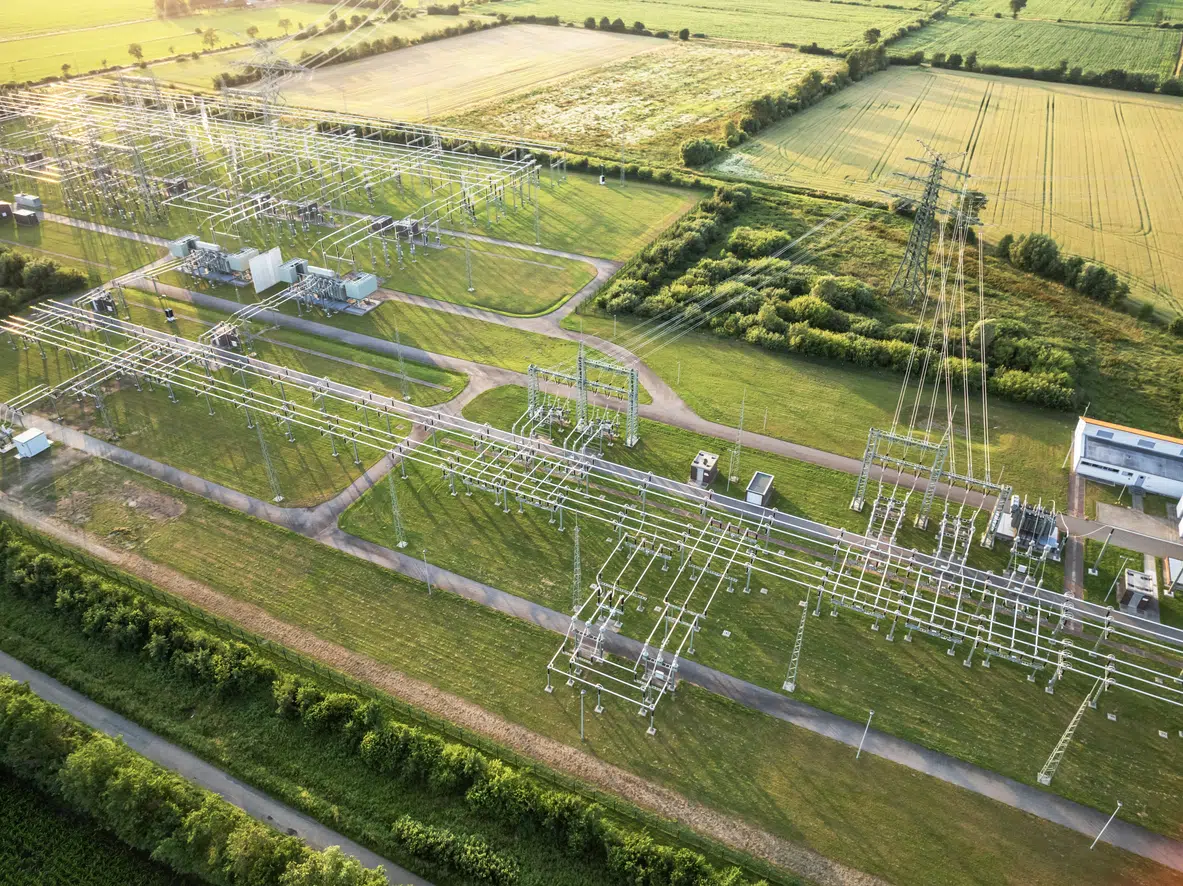
CSL Outpost is designed for operational sites that need high-availability, high-bandwidth connectivity, including critical infrastructure, utilities, renewable energy and other distributed operational environments.
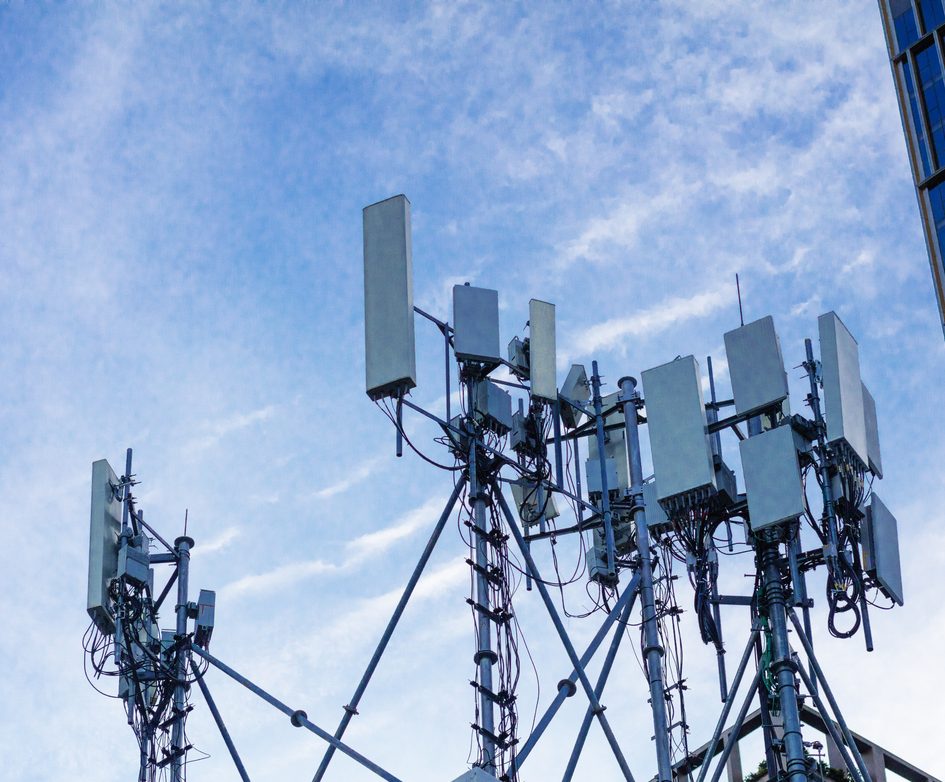
Four mobile connections carry the site's traffic at the same time
Using multiple connections at the same time allows CSL Outpost to increase the bandwidth available to the site while maintaining service if one connection fails. CSL Outpost achieves this by bonding its active connections into a single link. Software on the unit and within CSL’s network distributes traffic across the available paths, combining their usable bandwidth rather than holding one in reserve.
By combining multiple active connections, CSL Outpost can deliver significantly higher performance than a single mobile connection at the same location. Its modems are supplied as 4G as standard and can be upgraded to 5G. CSL designs the mix of mobile, satellite and fixed-line connectivity according to the coverage, infrastructure and resilience requirements of each site.

A failed connection leaves the site's IP addresses unchanged
When one connection fails, the bonding software redistributes its share of the traffic across the remaining available connections. If a connection fails, traffic continues over the remaining available connections while CSL’s network operations centre investigates the issue.
The SDN overlay presents the site’s connections as a single managed link with a consistent IP address. As traffic moves between available paths, systems that recognise the site by its fixed IP address, including monitoring platforms and firewall allowlists, can continue operating without any address changes.
Find out more: CSL Outpost technical information
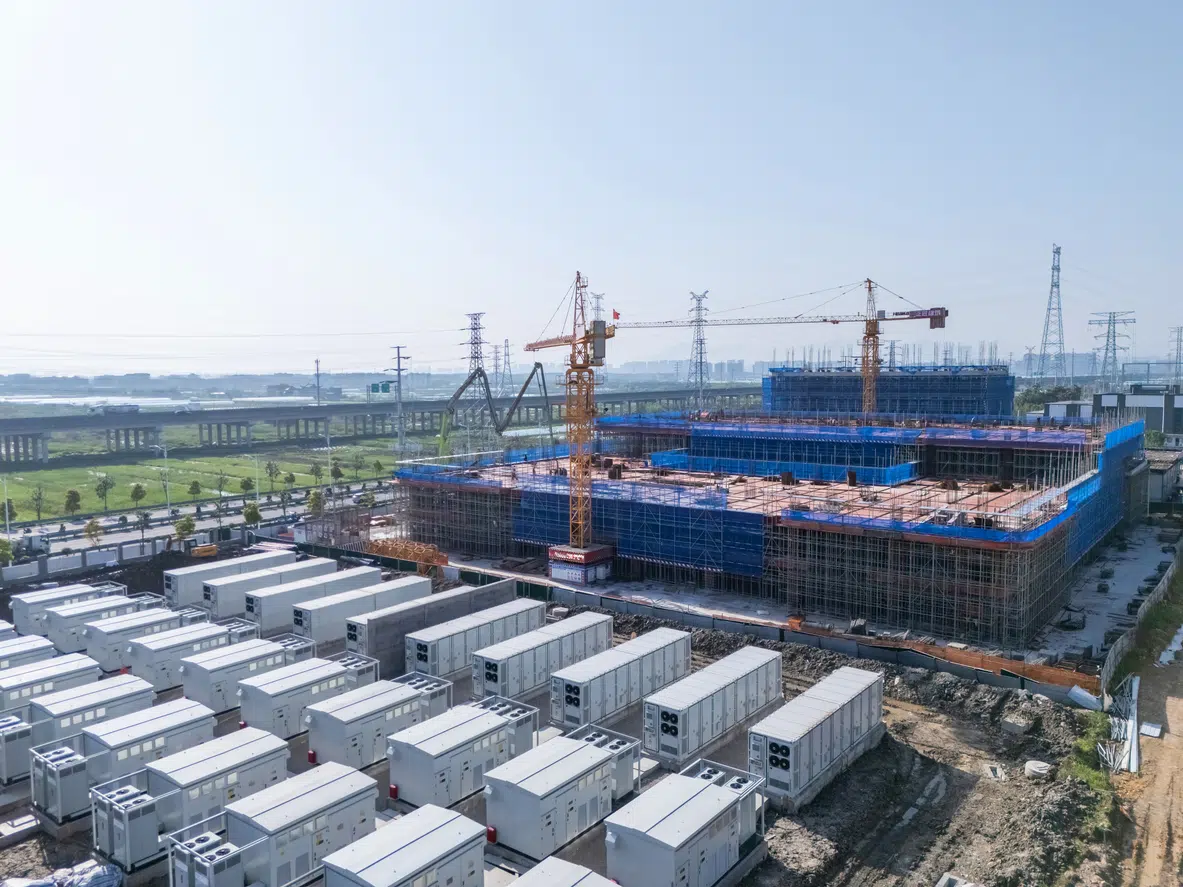
Connections with shared dependencies can fail together
Adding a second SIM from the same mobile network increases available bandwidth, but both connections may still depend on the same mobile core, which authenticates SIMs and routes their traffic. If that shared core experiences a fault, both connections can be affected at the same time.
The same principle applies to other parts of the connectivity chain. Two mobile networks may use infrastructure at the same mast site, while fixed and mobile services can share power supplies or physical routes. Effective resilience therefore depends on the independence of the underlying connectivity paths, not simply the number of connections.
CSL designs each deployment around the connectivity options available at the location. Where coverage allows, this can include multiple mobile networks, satellite connectivity and fixed-line services. Combining different connectivity technologies can help reduce shared dependencies and increase path diversity.
CSL Outpost is designed to support resilient site connectivity, including short power interruptions and transitions to backup power. As part of a wider resilience strategy, it helps keep sites connected while power and application resilience are managed alongside the connectivity layer.
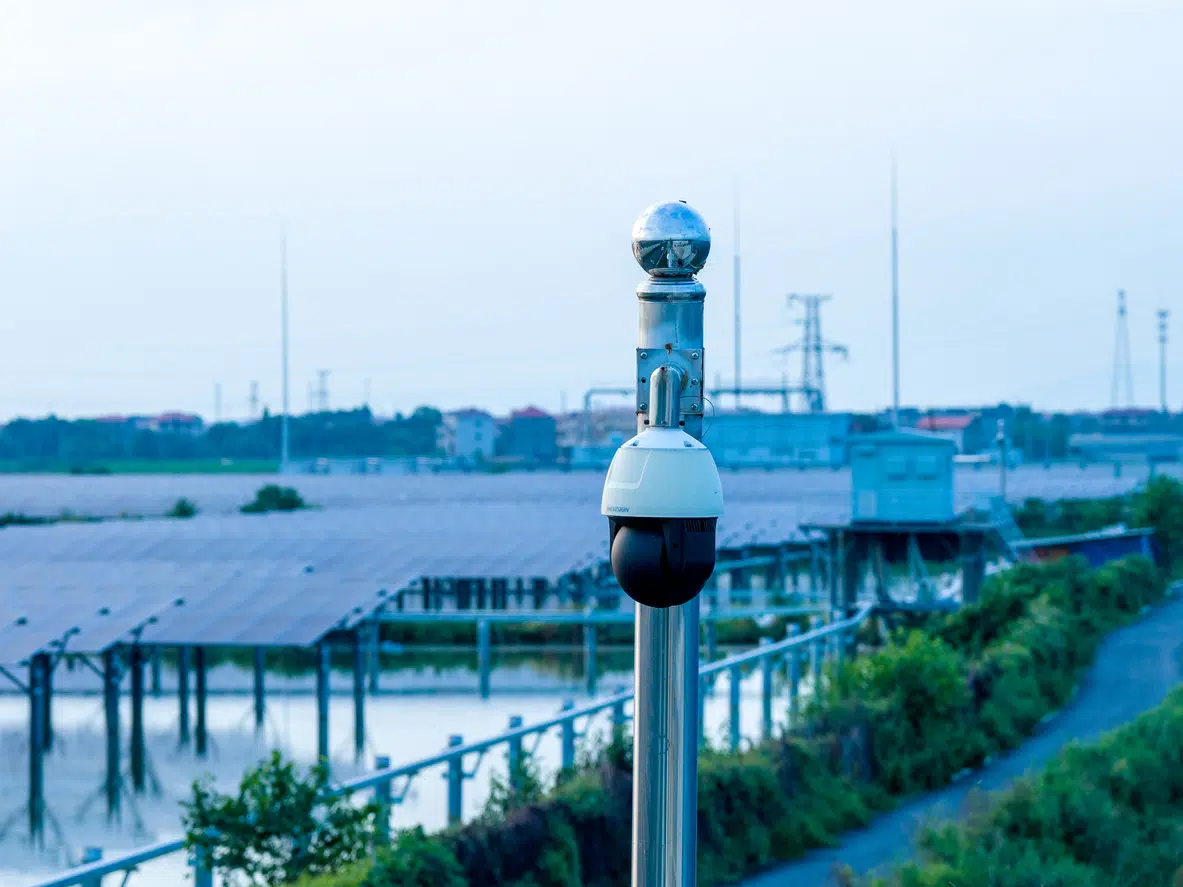
CSL Outpost can also run the site's own software
An engineering team that needs services such as a firewall, file server or local application at a remote site would traditionally deploy separate hardware alongside the connection. CSL Outpost combines connectivity and compute in a single managed platform, helping to reduce equipment footprint, simplify deployment and streamline ongoing management. CSL can preload software before deployment so that it is ready to operate when the unit arrives on site. To support these workloads, the unit provides 16GB of memory and 512GB of solid-state storage.
The same on-site compute capability can also support more specialised applications. For image analysis, CSL can fit the product with accelerators for machine-vision tasks such as object recognition and number-plate recognition. Processing video close to the cameras can reduce the volume of data sent over the connection when only the resulting events, classifications or metadata need to be transmitted.

One managed service covers the connectivity, hardware and support
Bringing connectivity, compute and security together also simplifies how the site is deployed and managed.
Customers lease CSL Outpost as a managed service that brings together the connectivity and hardware, with installation and ongoing support included. CSL’s field engineers install most units. Units that a customer’s own team installs arrive ready for CSL’s service desk to configure remotely. Either way, CSL handles the specialist configuration, reducing the technical work required from the site team.
Once a unit is in use, CSL provides 24/7 monitoring and the customer can follow its status through a portal. As part of the managed service, CSL maintains the unit’s core configuration and security. A firewall can run on the unit or at the edge of CSL’s network to protect all of a customer’s CSL Outpost sites at once. Whichever location is chosen, CSL can manage the firewall or grant the customer’s network team access to it.
A site can take routed public IP addresses behind a firewall, or join a private network with the customer’s other sites. One unit can also keep the traffic of different organisations separate on a shared connection. The unit includes two Power over Ethernet ports that can support Wi-Fi access points managed by CSL.
CSL Outpost is designed for higher-usage applications and is supplied with suitable SIM data allowances. The managed service also includes hardware support and replacement by CSL’s field engineers, giving customers one service for connectivity, hardware, installation, monitoring and ongoing support.
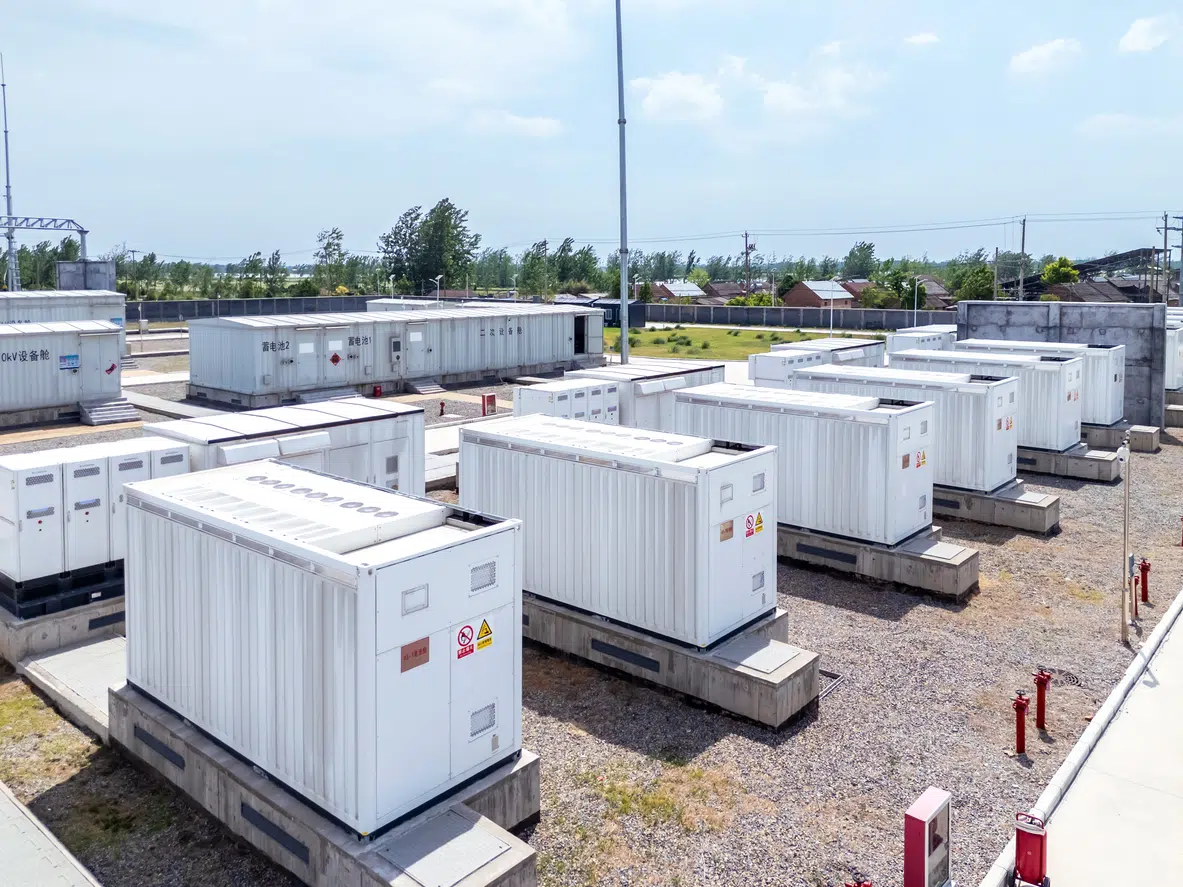
When CSL Outpost is the right fit
CSL Outpost is particularly suited to sites that:
- support remote or distributed operations across critical infrastructure, utilities or renewable energy
- require higher-bandwidth connectivity for applications such as CCTV, video analytics or operational monitoring
- need to connect equipment from multiple suppliers through one secure network
- benefit from diverse connectivity paths rather than relying on a single fixed or mobile connection
- need to run software locally while maintaining resilient connectivity
These and similar requirements are common across renewable energy, utilities and other distributed infrastructure deployments where sites may be remote, difficult to reach or unsuitable for traditional fixed-line connectivity.
One CSL deployment, in particular, illustrates these requirements in practice. Equipment from several suppliers had to connect through each site’s perimeter firewall, which needed a routed block of public IP addresses. CSL deployed CSL Outpost with four 4G connections alongside satellite, bonded into one link with failover in under a second. Equipment from the site’s different suppliers could then use a common security and networking model over a bonded mobile and satellite connection.
Read the case study: Renewable Energy Provider Optimises Connectivity in Remote Sites
CSL Outpost, CSL routers and rSIM technology meet different requirements
Different sites and applications require different forms of connectivity resilience, so CSL provides solutions designed around the specific requirement. Where a site requires fixed broadband with cellular failover, CSL Router provides a managed router-based solution.
Where resilience is required against a fault affecting one mobile network’s core, CSL DualCore® provides two secure, independent mobile-core paths. This architecture can be delivered through rSIM® technology or a dual-SIM CSL Router.
The difference is where the switch between those paths takes place. With rSIM, switching is managed within the SIM in each connected device. With a dual-SIM CSL Router, switching is managed centrally by the router for the equipment connected through it.
CSL Outpost meets a different set of requirements by bonding active connections, incorporating satellite or fixed-line paths where needed, and running compatible software on site. The appropriate solution therefore depends on the outcomes a site needs to achieve, including resilience, bandwidth, path diversity and on-site compute.
Related reading: Why the second connectivity path must be independent
About CSL
CSL provides managed connectivity for critical IoT and safety applications, supporting more than 3.5 million active connections.
The CSL Outpost support page provides more detailed information on the unit’s technical specification and answers commonly asked questions.
To discuss the connectivity, resilience and on-site compute requirements for your location, please call us, or contact: sales@csl-group.com.