

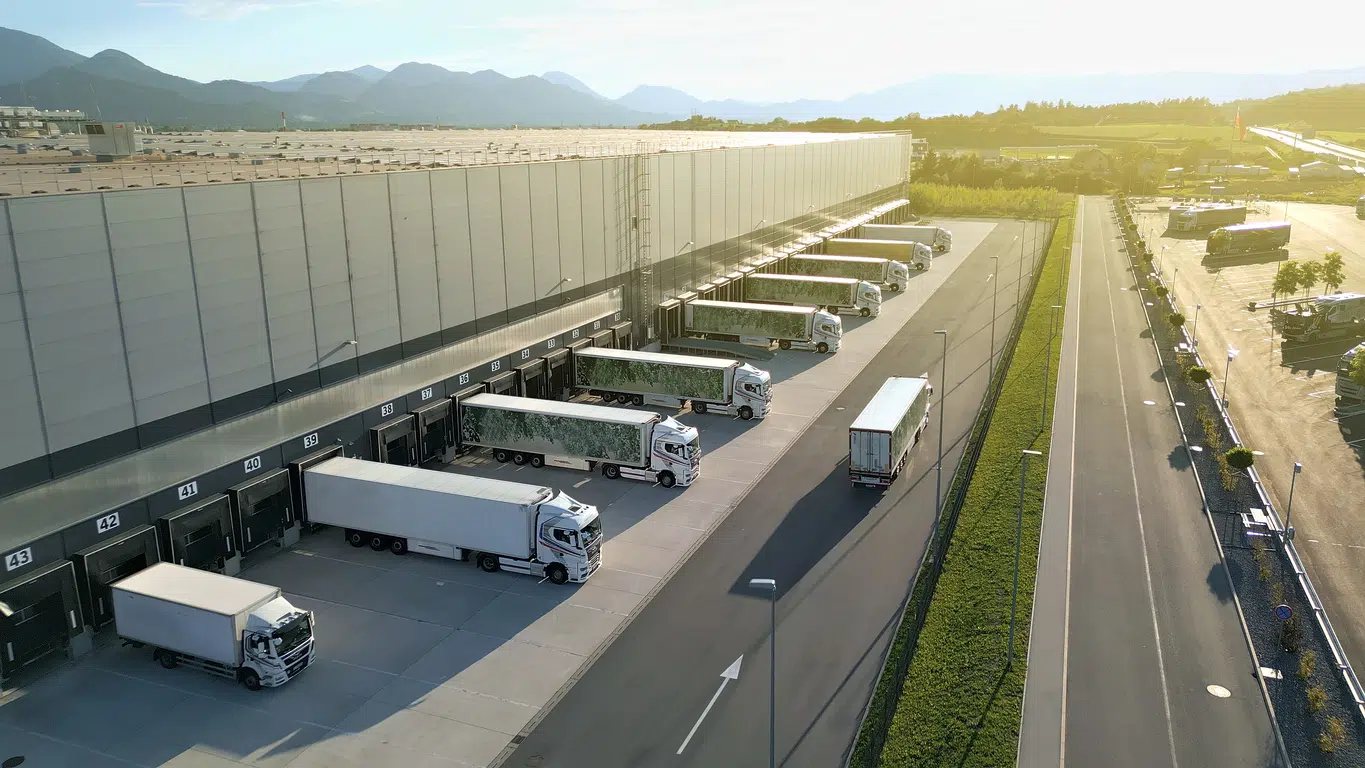
Warehouses already rely on a strong inner network for Wi-Fi, WMS, scanners, ERP, and other business-critical systems. But many operational and perimeter devices are better kept off that main LAN. They need their own secure, segregated outer network: one that can continue operating even when the site LAN or broadband connection is disrupted.
For: Heads of IT, facilities, procurement, and operations managing multi-site warehouse or logistics estates with security, EV charging, cold chain, or yard infrastructure.
Discover how warehouse and logistics operators can reduce shared points of failure, improve resilience across critical systems, and build a connectivity strategy designed for modern operations.
The Hidden Connectivity Gap in Modern Warehouses
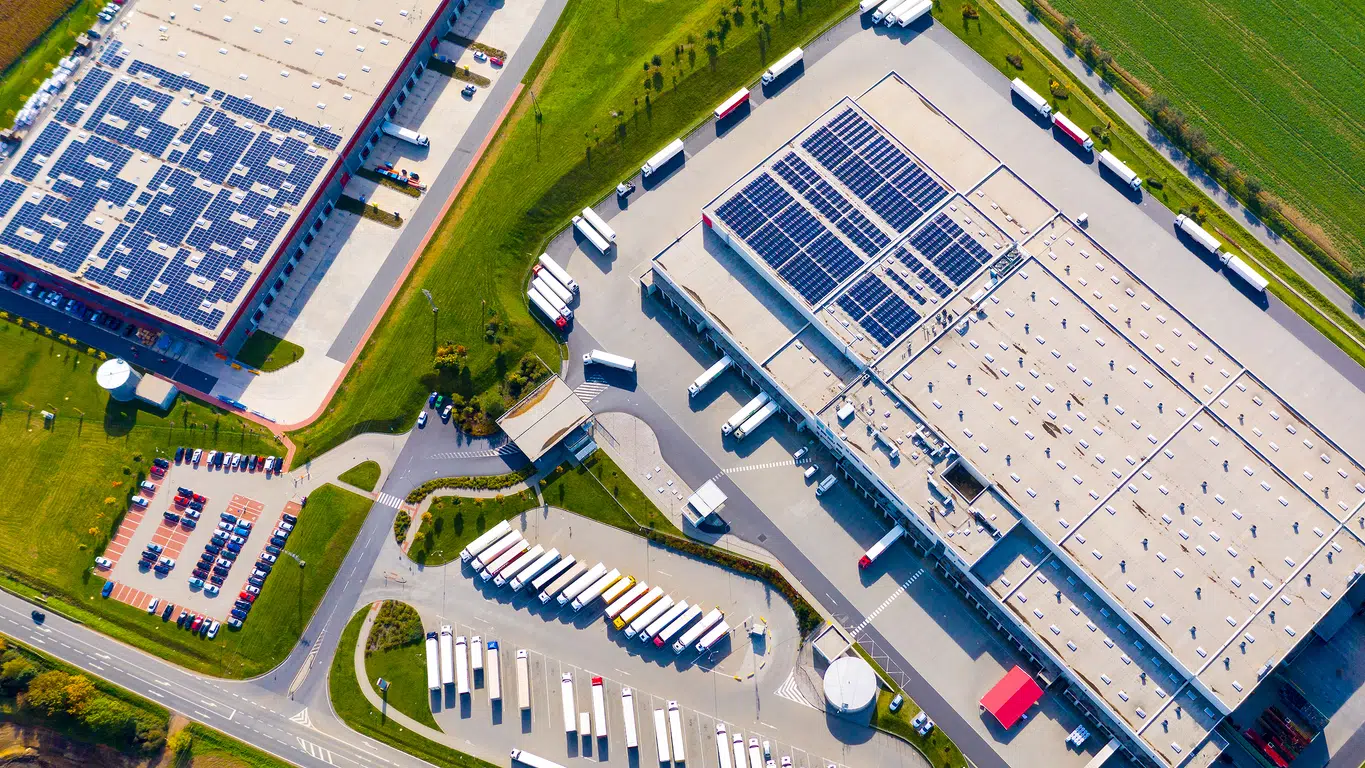
Most warehouses are designed around a central IT network, but not every device should sit on that infrastructure. Systems such as CCTV, access control, EV chargers, temperature monitoring, and yard management often sit outside the warehouse’s core operational network. These devices still need secure, reliable connectivity, but they also need separation from the main LAN to reduce risk, improve resilience, and simplify management.
A segregated outer network helps ensure that critical operational systems remain connected even when the primary site network is unavailable. A segregated outer network also simplifies access for third-party operators: installers, charge-point operators, and maintenance providers can reach the systems they service without navigating corporate IT gatekeeping processes.
A typical 40-door distribution centre might have 60 CCTV and access control points, 12 EV chargers, 2 gate/ANPR systems, 150 cold chain sensors, and 3 remote outbuildings – all needing connectivity that is independent of the warehouse LAN.
What the White Paper Covers
This white paper explores why warehousing and logistics sites need resilient outer-network connectivity, where those requirements typically exist across the estate, and how organisations can reduce shared points of failure.
It explains:
- why certain operational devices should not rely on the main warehouse LAN
- which warehouse systems benefit most from segregated connectivity
- how network segregation aligns with ISO 27001, UK NIS Regulations 2018, and EU NIS2 supply-chain requirements
- why Multi-RAN cellular back-up alone does not remove single points of failure: and what core independence means in practice
- how CSL helps provide secure, resilient connectivity for operational and perimeter systems
Five Areas Where Resilient Connectivity Matters Most
Security and Life Safety
CCTV, ANPR, access control, fire panels, intruder panels, and alarm signalling all rely on dependable connectivity to maintain visibility, control, and communication. These systems are often mission-critical and cannot afford to go offline during a site outage.

EV Charging
Depot and fleet charging infrastructure depends on connectivity for monitoring, control, and backhaul. As EV charging becomes increasingly central to operational readiness, resilient connectivity becomes essential to keep vehicles, sites, and services moving.

Yard and Gate Management
Barriers, kiosks, ANPR, weighbridges, and gate systems are often positioned outside the main building and in harder-to-manage environments. These systems still need secure, resilient connectivity to support the smooth movement of vehicles and goods.

Cold Chain Monitoring
Temperature monitoring and environmental sensors require uninterrupted connectivity to maintain visibility, support auditability, and protect service quality. In temperature-sensitive environments, loss of connectivity can quickly become a compliance and operational issue.

Remote Facilities
Gatehouses, outbuildings, plant rooms, and other distributed infrastructure often sit beyond the reach of the main IT network. Segregated connectivity provides a secure and resilient way to keep these locations connected without extending the inner warehouse LAN.

Why Architecture Matters
Resilient connectivity is not just about signal strength. It is about reducing dependency on shared infrastructure.
When critical systems rely on the same upstream path, the same outage can affect multiple services at once. A segregated outer network helps reduce that risk by giving operational devices a more independent and resilient route to remain connected.
That means security, safety, monitoring, and operational systems can continue functioning even when the primary network is disrupted.
Multi-RAN is not multi-path
Many cellular backup solutions route traffic through a single hosted core network. Multiple radio networks give you radio diversity, but if all SIMs share one core, a core-level failure takes every device offline simultaneously. Genuine resilience requires independent cores with independent failover: not just multiple RANs converging on the same point of failure.
The question to ask: Do all our SIMs route through one hosted core network? If that core fails, what fails over, and who controls it?
Why CSL
CSL helps warehouse and logistics operators create a secure, resilient outer network for the systems that should not depend on the main LAN.
Our approach is designed to support:
- genuine core independence: two separate operator cores, not multiple profiles routed through a shared MVNO core
- private APN/VPN connectivity to 270+ ARCs across Europe
- router and SIM-resident failover logic with no cloud dependency
- secure segregation of operational and perimeter devices
- support for critical systems including security, EV charging, yard infrastructure, cold chain monitoring, and remote facilities
- scalable deployment across single sites or multi-site estates

Built for Modern Warehouse Operations
As warehouse environments become more connected, more automated, and more distributed, the need for resilient outer-network connectivity continues to grow.
From perimeter security and vehicle charging to environmental monitoring and remote infrastructure, today’s warehouse estate depends on systems that cannot simply wait for the main network to come back online.
A resilient connectivity strategy helps keep critical services available, secure, and operational when it matters most.
Download the White Paper
This condensed white paper (7 pages) covers the architecture argument, site connectivity model, and product range. Full versions with cost-of-downtime modelling and zone-level exposure analysis are also available for further partnership discussions.