


Executive Summary
Modern retail networks manage thousands of IoT endpoints—from payment terminals to EV chargers—creating unprecedented security challenges.
This article presents a defence-in-depth architecture combining segmentation, encryption, and resilient connectivity to protect customer data, maintain PCI DSS compliance, and ensure operational continuity under attack.
Introduction
Retail is undergoing a profound digital transformation, driving explosive growth in connected devices and Internet of Things (IoT) solutions that now underpin every aspect of store operations. Retailers now rely on an integrated network of IoT routers, IoT SIM cards, rSIM technology, VPNs, VLANs, and Private APNs to maintain connectivity, secure transactions, and protect customer data.
Organisations must also address supply chain security: verify IoT device manufacturers’ security credentials, validate firmware authenticity through cryptographic signatures, and maintain an asset inventory with device origin documentation to detect counterfeit hardware.
With sophisticated threats—from ransomware and phishing to targeted point-of-sale (POS) breaches—securing retail networks has become both a strategic challenge and a business imperative.
A secure design, therefore, isolates guest and high‑risk IoT from PCI‑scoped payments, encrypts sensitive traffic end‑to‑end, and keeps operations running via cellular failover during provider outages or cyber incidents.

The Evolving Threat Landscape in Retail
Retailers face an increasingly complex security environment across physical stores, e‑commerce platforms, and supply chains, making them prime targets for cybercriminals seeking financial and personal data. Common threats include ransomware, phishing, and POS breaches—each capable of causing material financial loss, reputational harm, and operational disruption. The complexity is amplified by thousands of endpoints, many of which run closed operating systems that do not support traditional anti‑malware or on‑device firewalls, increasing vulnerability. Compliance obligations such as PCI DSS mandate encryption, multifactor authentication, and continuous monitoring, placing segmentation and secure transport at the core of modern retail network design. These realities underscore the need to build cyber resilience alongside preventive controls.
Reference Architecture and Foundational Technologies
A layered, segmentation‑first architecture limits blast radius, reduces lateral movement, and enforces least‑privilege communication across store systems.
IoT Routers as the First Line of Defence
IoT routers form the backbone of a secure retail network. As the central gateway for data, they direct traffic and enforce security controls at the network edge. Robust, cloud‑managed routers filter malicious traffic, apply access control, and support large fleets of connected devices with real‑time threat detection. Prioritise, therefore, secure defaults such as strong admin authentication, signed firmware, and central policy management, and select models with dual‑WAN capability for automatic cellular failover to bolster resilience.
rSIM and IoT SIM Cards for Continuous Connectivity
IoT SIM cards connect payment terminals, digital signage, and surveillance cameras to LTE and 5G networks, extending connectivity to locations without reliable wired service. Resilient SIM (rSIM) technology additionally enables seamless switching between discrete carrier cores when issues are detected, keeping payment authorisation, CCTV, and critical telemetry online without the need for manual intervention during core network outages.
Virtual Private Networks (VPNs) for Encrypted Communication
VPNs create encrypted tunnels that extend a private network to cellular‑connected devices and end-points, protecting sensitive data from interception and tampering. Using VPNs also shields IoT devices from public Internet exposure, ensuring POS, CCTV, and digital signage communicate and can be managed privately and securely across the transit path, which is vital for financial transactions and personal data protection.
Virtual Local Area Networks (VLANs) for Network Segmentation
VLANs create isolated segments that insulate critical systems—such as POS, CCTV, and digital signage—from less secure devices. For example, IoT devices such as security cameras, environmental sensors, and digital signage should be isolated from payment systems and retail-critical operational IoT (such as smart POS terminals and payment-integrated inventory scanners) that require controlled access to payment networks.
This segmentation minimises attack surface, limits lateral movement, and supports compliance with standards like PCI DSS when combined with VPNs and access controls. They help enforce default‑deny east‑west policies between segments and only allow minimal, audited communications required for business functions.
Private APNs for Secure Cellular Access
A Private Access Point Name (APN) provides a dedicated, secure gateway for cellular data, isolating in‑store devices from public Internet traffic. Private APNs strengthen privacy, centralise control and monitoring, and make it easier to apply consistent policies across fleets of endpoints and stores.
Secure Broadband for Retail Sites
Secure broadband is the performance and availability foundation for store operations—treat it therefore as a security control as much as a connectivity service. Design dual‑path connectivity by combining primary wired broadband with 4G/5G cellular failover on the IoT router to preserve payment authorisations and essential telemetry during outages or attacks. Critical requirement: Failover paths must maintain all security controls—firewalls, inspection, and authentication—to prevent attackers from exploiting degraded-mode vulnerabilities.
Prefer private transport over public exposure by routing sensitive traffic via VPN and/or Private APN so in‑store systems do not require public IPs, reducing attack surface and improving data protection in transit. Build operational readiness with out‑of‑band cellular management for remote troubleshooting when primary links are saturated or down, enforced by role‑based access, multi-factor authentication (MFA), and audit logging. Validate before go‑live with site acceptance testing that measures failover timing, packet loss under load, and policy enforcement for each segment.

Securing Critical Retail Systems
Combining segmentation, encrypted transport, cellular isolation, and resilient broadband strengthen protection for key systems and keeps operations running under stress.
Payment Systems and POS Security
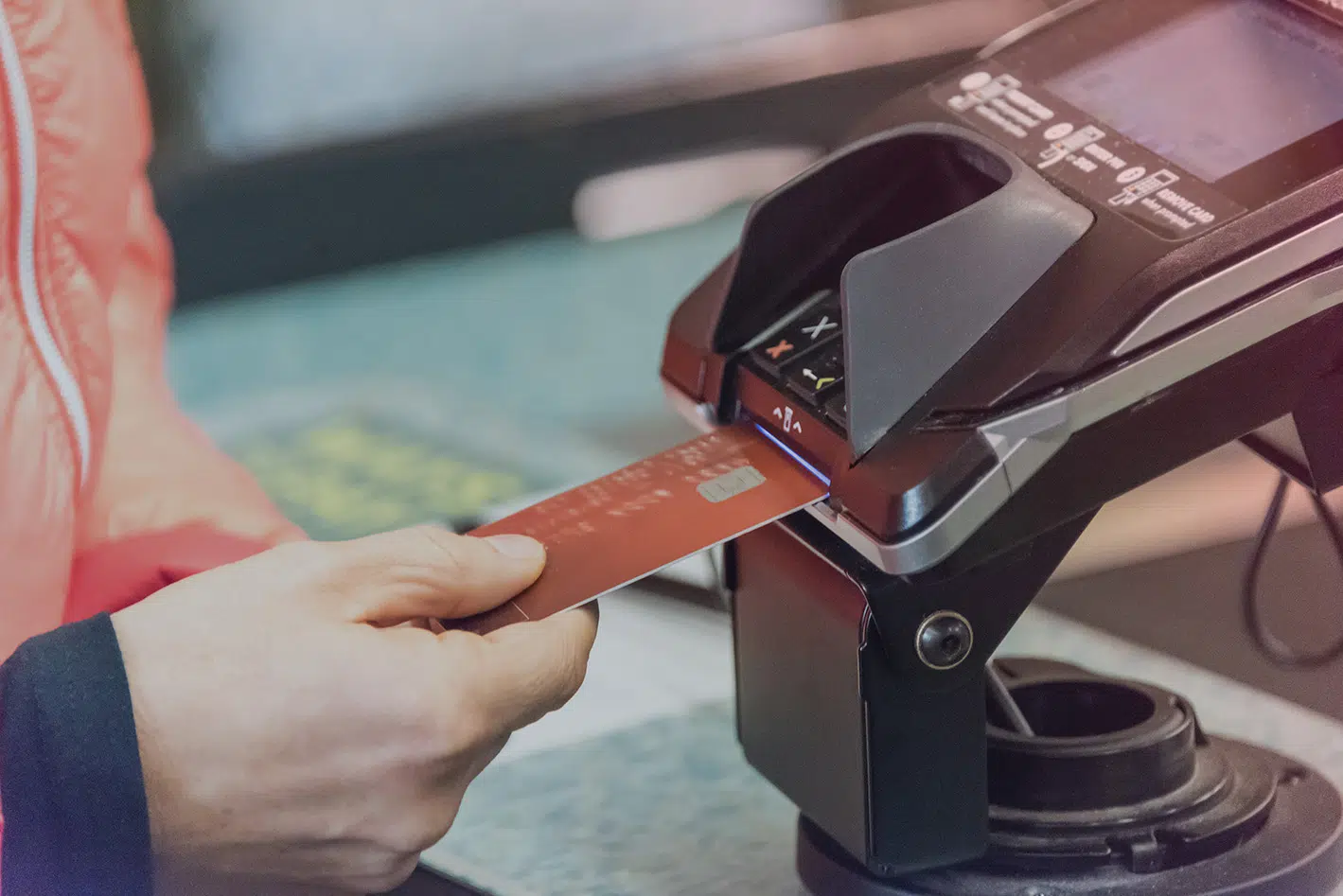
POS handles the most sensitive data in a store network and is a prime target for attack. Encrypt all transaction flows with VPN using TLS 1.3 (or TLS 1.2 minimum where legacy compatibility requires it), isolate POS in a dedicated VLAN, and restrict egress to payment processing destinations only. These measures support PCI DSS obligations for segmentation, monitoring, and strong encryption to mitigate fraud and data breaches.
Digital Displays, CCTV, and Other IoT Endpoints
Digital signage enhances customer engagement and CCTV underpins safety and operations—but both can introduce new attack surfaces if left flat on the network. Backhaul their traffic over VPN, isolate each in their own VLANs, and restrict management interfaces and inbound access to reduce cross‑contamination risk if one device is compromised. Encrypted tunnels prevent eavesdropping and tampering of streams and content updates.
Protecting Emerging Assets: EV Chargers and Beyond
As retailers deploy EV chargers, smart kiosks, and service stations, apply the same rigorous standards of isolation and encryption. Use Private APNs for closed, cellular‑only paths, combine with VPN encryption, and segment these devices from payment and corporate IT networks to prevent unauthorised access and keep services operational even during incidents.
Guest vs. Sensitive Zones: Practical Segment Map
Note: The default-deny east-west policies shown represent advanced security posture. Organisations should implement progressive segmentation: start with basic north-south filtering (isolating network segments from external access), then add internal controls as operational maturity increases.
Implement clear separation of open and sensitive areas with default‑deny policies and audited allow‑lists:
- Guest WiFi: Dedicated VLAN; client isolation; strict egress filtering; no reachability to internal subnets. Security note: WPA3 encryption should be used to protect all wireless communications. While WPA3 is the recommended standard, organisations with legacy IoT devices may need to maintain WPA2-Enterprise on isolated networks with enhanced monitoring until device replacement is feasible.
- POS and payments: Dedicated VLAN; no direct Internet access; VPN or Private APN backhaul only; allow‑lists to payment processors; enhanced logging.
- CCTV: Separate VLAN; VPN backhaul; restricted management interfaces; storage isolated from POS and guest networks.
- Digital signage: Separate VLAN; limited outbound to content services; no inbound from internal segments; managed only over secure channels.
- EV chargers and building systems: Dedicated VLAN; Private APN and/or VPN; outbound restricted to operator/endpoints; no lateral access to store IT.

Building Cyber Resilience in Retail Operations
Prevention must be matched with continuity so stores can take payments and operate safely even during incidents.
Strategic Planning and Supplier Integration
During low‑threat periods, conduct risk assessments, align on joint incident response with key suppliers, and run coordinated tabletop exercises. Integrating business continuity and disaster recovery with supplier protocols ensures everyone understands roles and actions under duress.
Redundant Network Infrastructure
Combine rSIM‑enabled devices with multiple link carriers to minimise downtime. If a cellular network fails or a denial‑of‑service attack affects connectivity, rSIM enables automatic switching to a healthy carrier core so payments, CCTV, and telemetry continue without manual intervention. This redundancy is particularly critical for systems handling financial transactions and real‑time surveillance, where even brief interruptions can have serious consequences.
Continuous Monitoring and Automated Incident Response
Adopt continuous monitoring and automated response, (including AI‑driven only where appropriate and possible – taking into consideration AI regulations), analytics integrated with VPN and FWaaS controls. Detect anomalies, quickly isolate affected VLANs, and initiate remediation without waiting for manual action to reduce business impact.
Note: log retention must meet regulatory requirements: PCI DSS mandates a minimum of one year of audit log history, with at least three months immediately available for analysis. Real-time alerting should trigger on: failed authentication attempts (5+ within 10 minutes), unusual data exfiltration patterns, firmware modification attempts, and unexpected lateral network movement.

Under‑Attack Continuity Playbook
When targeted by an attack or outage, use a simple, rehearsed sequence to protect revenue and safety.
- Detect and contain: Quarantine suspected devices and enforce default‑deny between non‑essential segments using VLAN Access Control Lists (ACLs) to halt lateral movement.
- Preserve payments: Fail over POS to cellular via VPN or Private APN, maintain logging and transaction queues for reconciliation, and verify authorisation latency remains within acceptable thresholds.
- Notify stakeholders: If payment card data is potentially compromised, notify your payment processor and acquiring bank immediately (PCI DSS requires notification within 72 hours of discovery). Document the timeline of discovery and response actions for compliance reporting.
- Prioritise traffic: Throttle or suspend guest and non‑critical services to protect authorisation and safety‑critical flows.
- Recover in phases: Reimage affected systems from known‑good firmware, rotate keys and credentials, and validate before re‑admission to production.
- Review and improve: Update segmentation rules, runbooks, and supplier coordination based on findings to strengthen resilience for the next event.
Compliance, Future Proofing, and the Zero Trust Model
Third-Party Vendor Access Controls
Many retail breaches originate through vendors with remote access to store networks. To mitigate this risk, establish strict controls: require multi-factor authentication for all vendor remote access, limit vendor sessions to specific time windows and network segments, audit all vendor activity in real-time, and revoke credentials immediately when contracts end. Maintain an inventory of all third-party connections with documented business justification and security requirements.
Employee Security Awareness
The human factor remains a critical vulnerability in retail security. Employees require training on: recognising phishing attempts targeting store credentials, proper handling of customer payment information, reporting suspicious IoT device behaviour (unusual lights, sounds, or physical tampering), and following incident response procedures. Conduct at least quarterly security awareness refreshers and simulate attack scenarios to test readiness.
Compliance with PCI DSS and Other Regulations
Meeting PCI DSS requires strong encryption, access controls, and dedicated segmentation. Integrating VPNs, VLANs, and Private APNs safeguards sensitive payment and customer data and helps maintain evidence for audits via centralised logging and continuous monitoring.
The Emergence of Zero Trust Security
Zero Trust applies “never trust, always verify.” Enforce least‑privilege across segments and require continuous authentication and authorisation for users, devices, and services. This limits insider risk and mitigates the impact even if one segment is breached. FWaaS and VPNs combined with identity controls provide a practical foundation for Zero Trust in distributed retail environments.
Future‑Proofing Retail IoT Networks
Evolving IoT requires adaptable, scalable security. Prioritise vendors and platforms that deliver continuous innovation, regular firmware updates, and proactive threat intelligence. Integrate AI, machine learning, and self‑healing cloud services to anticipate and mitigate emerging risks and to streamline operations at scale.
Conclusion
Retail’s digital transformation demands robust IoT security that protects data, enables resilience, and simplifies compliance. Integrating IoT routers, IoT SIMs and rSIM, VPNs, VLANs, Private APNs, and secure broadband creates overlapping defences that reduce vulnerabilities, maintain operations during incidents, and protect customer trust. With segmentation, encrypted transport, cellular isolation, and resilient connectivity, retailers can defend critical systems—from POS and digital displays to CCTV and EV chargers—while preparing for the next wave of threats:
- Layered security approach: Combining routers, SIMs, VPNs, VLANs, Private APNs, and secure broadband reduces attack surface and limits lateral movement.
- Operational continuity: rSIM and multi‑path connectivity with cellular failover keep payments and safety‑critical services online during outages and attacks.
- Regulatory compliance: Segmentation and encrypted transport support PCI DSS requirements and build audit‑ready evidence through centralised monitoring.
- Zero Trust and future‑readiness: Continuous verification and adaptable, (AI)‑assisted controls provide agility to confront emerging threats at scale.
By adopting secure retail architectures and associated runbooks, retailers can strengthen security, sustain operations under pressure, and build long‑term resilience in an increasingly hostile cyber landscape.