

Introduction
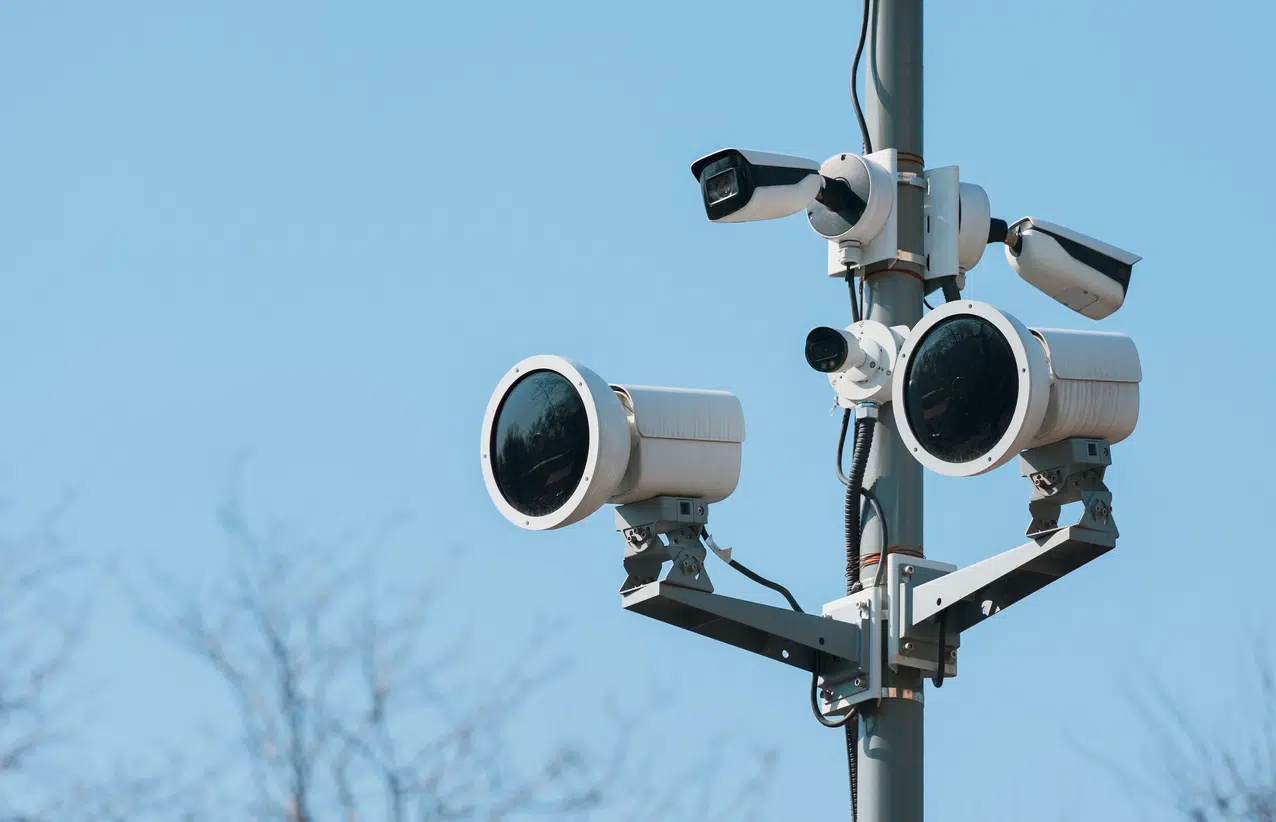
ANPR, CCTV, radar, LiDAR, variable message signs (VMS) and signal controllers are now networked, remotely reachable operational systems. The operational hardware often gets the design attention and investment, but the communications layer that carries the data, the inherent architectures and failure modes, can often be misunderstood or de-prioritised.

The problem
Roadside ITS is increasingly a critical part of operations, but often shares pathways with non-critical networks
Traffic management risk no longer stops at the locked roadside cabinet. Many roadside ITS estates still connect over broadband shared with wider IT, commodity 4G/5G SIMs on public APNs, or legacy copper, paths that were never designed as a segregated, independently resilient security overlay.
Across the 2026 show season (Intertraffic, the Commercial Vehicle Show, Traffex and Parkex) the discussion was often around issue detection, AI and decarbonisation. The connectivity layer that carries all the essential enabling connectivity for these technologies (and layered resilience and security), however, can often appear to receive less attention.
The shared-dependency risk
Segmentation reduces how far a compromise can spread inside a network. It does not, however, remove a shared upstream dependency. When many roadside devices share one broadband circuit, mobile core, or infrastructure; a single failure (a cut fibre, a core outage, a DDoS) can take ANPR, CCTV, VMS and signal control offline at the same time.

Why it matters now
Connectivity has become a governance question
Transport is already a regulated sector under the UK NIS Regulations 2018, and the Cyber Security and Resilience Bill proposes to expand those duties, including faster incident reporting and stronger supply-chain obligations. For in-scope transport operators and relevant suppliers, connectivity resilience is, therefore, becoming a governance and assurance question, not only an engineering one.
Notes:
- For the current state and progress of the Cyber Security and Resilience Bill, see: Cyber Security and Resilience (Network and Information Systems) Bill – Parliamentary Bills – UK Parliament.
- See also: TS 102 940 – V2.1.1 – Intelligent Transport Systems (ITS); Security; ITS communications security architecture and security management; Release 2
- Regulatory references here reflect the position as of 9 June 2026 and should always be verified against the current and latest legislation.

The solution
A security overlay communications layer
A resilient and security overlay can be deployed independently of the site network, giving roadside devices separate, dependable paths that do not inherit the single points of failure of general-purpose connectivity.
In the CSL architecture, that overlay is built on secure, resilient end-to-end DualCore or multi-link architectures, deployed as service solutions:
- Multi-network, DualCore failover: multi-network/multi-RAN access on DualCore profiles at the radio layer, using two physically separate mobile operator cores and pathways.
- Private APN on both cores: designed to keep traffic off the public internet, with end-to-end VPN encryption from roadside device to control centre or cloud.
- Resilient SIM-layer deployment: a drop-in SIM replacement for installed and new devices, that adds resilience without firmware changes or hardware modification to many roadside devices including: ANPR cameras, radar units or signal controllers. If the primary core fails, rSIM detects and switches to the second profile automatically, orchestrated at the SIM layer.
- Managed routers, proven in security: for a site that needs a router arrangement rather than a drop-in SIM, CSL supplies fully managed and multi-link routers that are trusted across the security industry, with the same Private APN, end-to-end VPN, central management and monitoring.
- Single managed service: connectivity, failover, monitoring and OTA SIM lifecycle under one managed-service wrapper, with proven, industry-leading service levels.

Why CSL
Proven life-safety connectivity, applied to the road
CSL provides the connectivity layer for critical IoT, with a Private APN + VPN infrastructure supporting over 3.5 million active connections. The architecture principles and assurance proven in many life-critical applications (private connectivity, dual-path resilience, always-on monitoring), are also applied directly to ANPR, CCTV and signal-control backhaul for traffic systems.
Five questions to test your existing roadside connectivity
A quick check that a highway authority or ITS integrator can ask of its current estate:
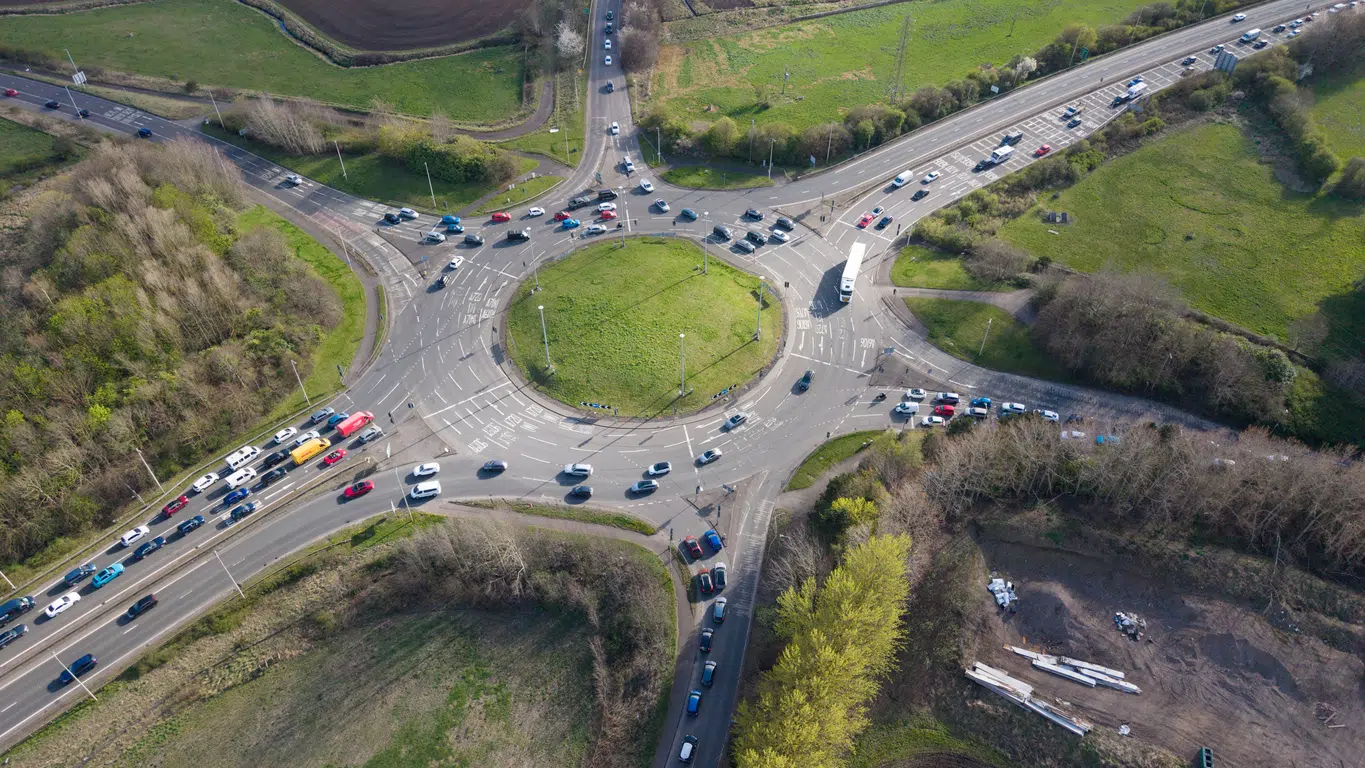
- Is there a single shared upstream dependency in the design (broadband, mobile core, or fibre) serving multiple ITS device types?
- If any of those paths fail, is failover automatic and independent at core level, or does it need manual intervention?
- Is the APN private and dedicated, or does ITS traffic share a public APN with general-purpose devices?
- Does traffic between roadside devices and the control centre avoid public internet breakout?
- Can resilience be added to already-deployed devices without hardware modification or firmware changes?
If the answer to any of these is “no” or “unsure,” there may be an unmanaged single point of failure in your roadside ITS estate.
See where your single points of failure or exposure exist
CSL works consultatively with highway authorities, local authorities, and ITS integrators to review current roadside connectivity, surface single points of failure, and shape a resilient DualCore or multi-link security approach specifically for them.
Further reading
- rSIM, the resilient DualCore SIM: csl-group.com/solutions/rsim
- Resilient connectivity for UK policing: read the white paper
- Resilient connectivity for EV charging: read the white paper
- Warehousing and logistics: read the white paper